
Understand Vestibular System
The vestibular system is a complex sensory system consisting of 3 semicircular canals, 2 otolith organs and other delicate structures. Each semicircular canal has fluid that creates a sense of balance when we move. The fluid movement in the semicircular canal is responsible for maintaining body balance while at rest and motion. Information from this sensory system is processed in the brain and sent to other vital organs, such as the eyes, muscles, and joints. Any imbalance in the fluid, inner ear infections, and other problems might affect the signals reaching the brain from the vestibular system, leading to balance disorders.
Causes and Symptoms of Vestibular Balance Disorders
Some causes of vestibular balance disorders include:
- Benign paroxysmal positional vertigo (BPPV)
- Ear infections such as labyrinthitis, vestibular neuritis and Meniere’s disease
- Brain injuries or brain trauma
A few vestibular balance disorder symptoms include:
- Dizziness: It can be light headed, heavy head, off balance, swimmy feeling, Vertigo
- Falling or tripping over objects
- Ageing
- Stress and anxiety
- Difficulty standing up
- Difficulty focusing gaze
- Nausea
Diagnosing Vestibular Balance Disorder
Vestibular/balance disorders can be difficult to diagnose as they have multiple causes and cannot be isolated to a single cause.
Your diagnostic test may include one or more of the following:
- Blood pressure and heart rate tests
- Posturography test
- Rotary chair test
- Hearing tests
- Electronystagmography and videonystagmography
- Imaging tests
- Dix Hallpike maneuver
Some vestibular physical therapists use specialized tools such as Frenzel goggles to diagnose vestibular-related conditions.
Vestibular /Balance Disorder Treatments
The main mode of treatment can include medications, lifestyle modifications and rehabilitation therapy.
If you experience vertigo, dizziness, or hearing changes, you may need to work closely with your ENT specialist and physical therapist.
- Medications may be prescribed to control dizziness and vomiting.
- Dietary triggers such as caffeine, alcohol and other ingredients should be avoided to ease the symptoms.
- Rehabilitation
Vestibular rehabilitation therapy (VRT) is a specialized form of therapy to help people cope with symptoms of vertigo and dizziness with loss of balance. It usually begins with an initial evaluation of your condition and the therapist will determine the best treatment to help you recover.
Getting treated in vestibular rehabilitation therapy is a safe method and will help you recover if you have vertigo or balance problems. Depending on your condition, your session might be as short as 4 weeks or as long as 8 weeks. Vestibular Rehabilitation therapy consists of many exercises including:
- Postural exercises
- Otolith repositioning maneuvers
- Neck range of motion exercises
- Gaze stabilization exercise
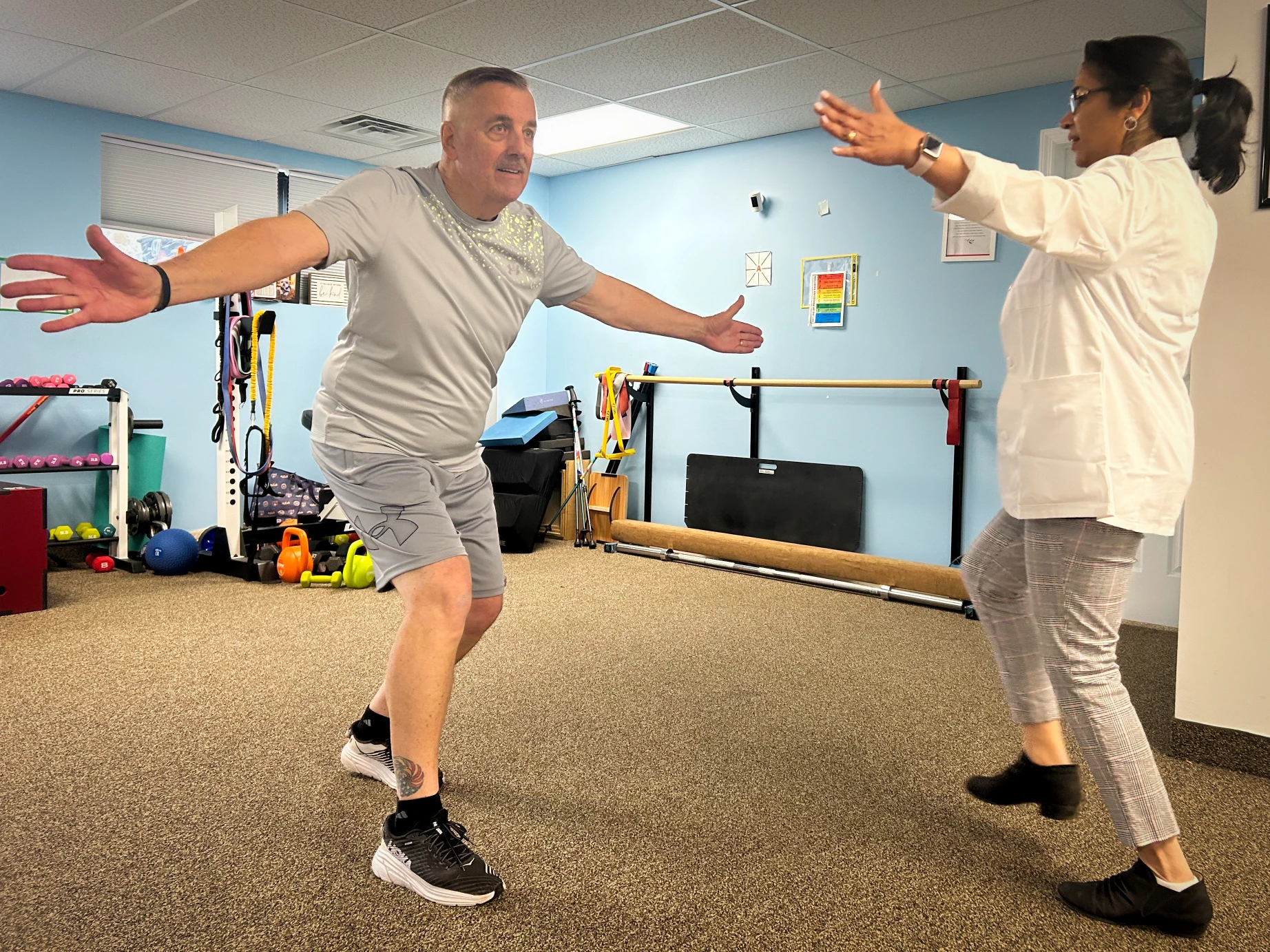
- Balance exercise
- Stretching and strengthening exercises
Benefits of Vestibular Rehabilitation Therapy
VRT might help lower the symptoms in most people who continue doing their exercises. Studies and surveys have shown that VRT helps in:
- Improve your posture and balance
- Lessen the risk of falls in elderly with symptoms of vertigo
Improve your balance - Simple exercises can quickly eliminate dizzy symptoms and make you return to your normal function
- Improves your vision
Vestibular rehabilitation therapy takes time to provide results, but it can improve the quality of life and help restore neural connections, thus effectively reducing balance and dizziness symptoms.